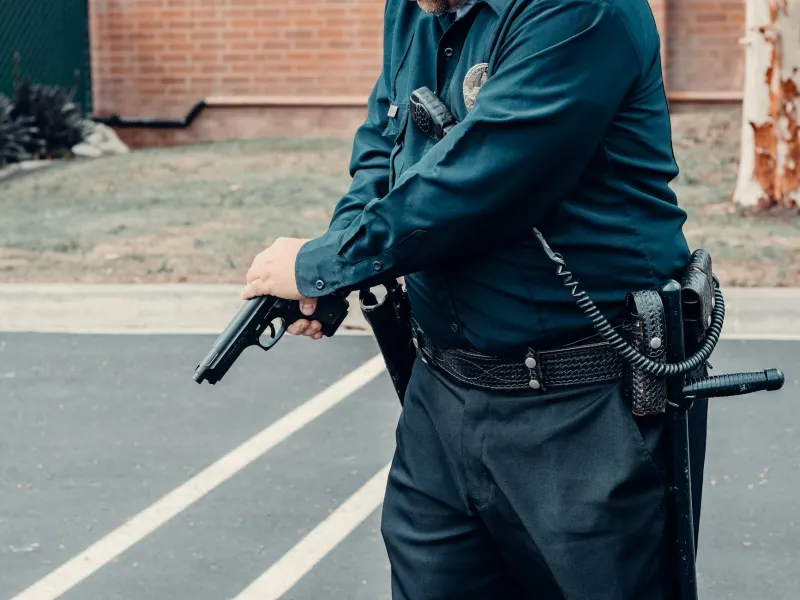
While national attention focused on Atlanta's controversial $90 million police training facility dubbed "Cop City," a parallel expansion of militarized police infrastructure has been quietly spreading across American cities with far less scrutiny. From Phoenix to Philadelphia, municipal governments are investing hundreds of millions in taxpayer dollars to construct sprawling law enforcement training complexes that critics warn will further entrench warrior-cop mentality in communities already over-policed and under-served.
These facilities represent more than real estate investments — they embody a fundamental choice about public safety priorities. When city councils approve $50 million police training centers while cutting library hours and deferring school maintenance, they're making a clear statement about whose security matters and whose doesn't.
The Militarization Blueprint Spreads
The Atlanta Public Safety Training Center became a flashpoint for opposition precisely because it crystallized broader concerns about police militarization. The 85-acre facility includes mock urban environments, tactical training areas, and specialized equipment for crowd control and "urban warfare" scenarios. But Atlanta isn't unique — it's part of a nationwide trend.
Phoenix approved a $58 million police training academy expansion in 2022, featuring combat simulation facilities and tactical vehicle training areas. The project broke ground despite the city facing a $38 million budget shortfall that forced cuts to parks, libraries, and community centers. Philadelphia allocated $35 million for a new police training facility in 2023, while simultaneously closing recreation centers in low-income neighborhoods due to budget constraints.
Dallas, Denver, and Charlotte have all approved similar projects within the past three years, often with minimal public input and expedited approval processes that bypass normal community oversight. The pattern is consistent: city governments treat police infrastructure as essential while framing social services as discretionary spending subject to budget cuts.
Following the Money Trail
The funding mechanisms for these facilities reveal the political priorities driving their construction. Unlike schools or housing programs that require complex federal and state approval processes, police training centers typically receive streamlined municipal approval through general obligation bonds or capital improvement budgets.
In many cases, the same city councils approving police facility expansions have rejected comparable investments in education or mental health services. Phoenix's city council, for example, voted down a $25 million mental health crisis center proposal just months before approving the police training expansion. The message is unmistakable: cities will find money for police infrastructure even when they claim poverty regarding social services.
Federal grants through the Department of Justice's COPS program and Department of Homeland Security funding streams provide additional revenue sources specifically earmarked for law enforcement facility construction. These federal incentives don't exist for community centers, after-school programs, or affordable housing development, creating a structural bias toward police-centered solutions.
The Industry Behind the Infrastructure
The expansion of police training facilities has created a lucrative market for specialized contractors and equipment manufacturers. Companies like Meggitt Training Systems and VirTra manufacture combat simulators and tactical training equipment specifically designed for law enforcement. Ti Training Corporation builds "shoot houses" and urban warfare training environments that replicate residential neighborhoods.
These companies actively lobby municipal governments and police departments, promoting their products at law enforcement conferences and through industry publications. Their marketing materials emphasize "realistic urban combat scenarios" and "tactical superiority" — language borrowed directly from military contexts and applied to civilian policing.
The revolving door between police leadership and private industry accelerates this trend. Former police chiefs and training commanders frequently join companies selling tactical equipment and training services, then leverage their relationships to secure contracts with their former departments. This dynamic creates institutional momentum toward militarized training regardless of community needs or preferences.
Geographic and Demographic Patterns
The location choices for these training facilities follow predictable patterns of environmental racism and class-based exclusion. Atlanta's Public Safety Training Center sits in the predominantly Black Weelaunee Forest area of DeKalb County. Phoenix's expansion borders low-income Latino neighborhoods. Philadelphia's new facility will be built in an industrial area adjacent to communities of color.
These site selections aren't coincidental. Wealthy, predominantly white neighborhoods have political power to resist unwanted infrastructure projects. Low-income communities of color — already bearing disproportionate burdens of police violence — lack the political influence to prevent militarized training facilities from being imposed on them.
The irony is stark: communities most harmed by aggressive policing are forced to host the facilities that train officers in military-style tactics, while affluent areas that benefit from "community policing" approaches remain insulated from the infrastructure that produces warrior cops.
The Training-to-Violence Pipeline
Research consistently demonstrates that military-style police training correlates with increased use of force and civilian casualties. A 2020 study published in the Proceedings of the National Academy of Sciences found that officers who received "warrior" training were significantly more likely to shoot civilians compared to those trained in de-escalation techniques.
The physical design of these training facilities reinforces this warrior mentality. Mock urban environments that resemble residential neighborhoods train officers to view civilian spaces as potential battlefields. Combat simulators that reward quick trigger responses condition officers to shoot first and assess threats later. Tactical vehicle training prepares police to deploy military equipment in community settings.
Departments that invest heavily in militarized training infrastructure become institutionally committed to justifying those investments through deployment. The facilities themselves create organizational pressure to use military-style tactics, since departments must demonstrate the value of their expensive training investments to city councils and taxpayers.
The Democratic Deficit
The approval processes for police training facilities typically bypass meaningful community input. Unlike zoning changes for commercial development or school construction projects that require extensive public hearings, police infrastructure often gets approved through administrative processes with limited transparency.
Atlanta's Public Safety Training Center, for example, was approved by the Atlanta City Foundation — a quasi-governmental entity that operates outside normal city council oversight. Phoenix's police training expansion received approval through the city manager's capital improvement process without a public vote. These procedural maneuvers insulate police spending from democratic accountability.
When community groups do organize opposition, they face significant structural disadvantages. Police departments have dedicated lobbying capacity and established relationships with city officials. Community organizations rely on volunteer labor and must compete for attention with numerous other local issues. The result is a systematic bias toward police priorities in municipal decision-making.
The Opportunity Cost of Militarization
Every dollar spent on militarized police training represents a dollar not invested in evidence-based public safety alternatives. Cities that build $50 million police training centers could instead fund:
- Comprehensive mental health crisis response teams that reduce police encounters with people experiencing psychiatric emergencies
- After-school and summer employment programs that provide economic opportunities for young people
- Housing assistance that addresses homelessness without criminalization
- Educational support that reduces dropout rates and creates pathways to economic stability
The research evidence strongly supports these alternative investments. Cities that have redirected police funding toward social services, education, and economic development have seen greater reductions in crime rates than cities that increased police spending. But these evidence-based approaches require long-term thinking and community partnership — qualities that conflict with the political appeal of tough-on-crime infrastructure projects.
Resistance and Alternatives
Despite the structural advantages favoring police militarization, community organizations across the country are successfully challenging these projects. The Stop Cop City movement in Atlanta has drawn national attention to police training facility expansion. Similar coalitions in Phoenix, Philadelphia, and other cities are organizing opposition to local projects.
These campaigns are most effective when they connect police militarization to broader issues of municipal spending priorities and democratic participation. Rather than simply opposing police facilities, successful movements present alternative visions for public safety investment that address root causes of violence and insecurity.
Some cities are beginning to respond to community pressure. Minneapolis redirected police funding toward violence prevention programs following sustained organizing after George Floyd's murder. Oakland expanded mental health crisis response and reduced police deployment for non-violent calls. These examples demonstrate that different approaches are possible when communities organize effectively.
The Stakes of This Moment
The current expansion of militarized police training facilities represents a critical juncture for American cities. The infrastructure being built today will shape policing practices for decades to come. Officers trained in warrior mentality at state-of-the-art combat facilities will carry those approaches into communities long after current political leaders leave office.
The choice facing city councils isn't simply about police budgets — it's about what kind of society we're building and who gets to participate in those decisions.
When cities invest in militarized police infrastructure instead of community-controlled alternatives, they're choosing fear over hope, control over collaboration, and violence over healing — with our tax dollars funding every brick and bullet.