When Cruelty Becomes Commerce
The United States immigration detention system holds approximately 40,000 people on any given day, generating over $3 billion annually for private prison corporations like GEO Group and CoreCivic. What appears to be immigration enforcement is actually a carefully constructed profit machine that transforms human suffering into shareholder dividends.
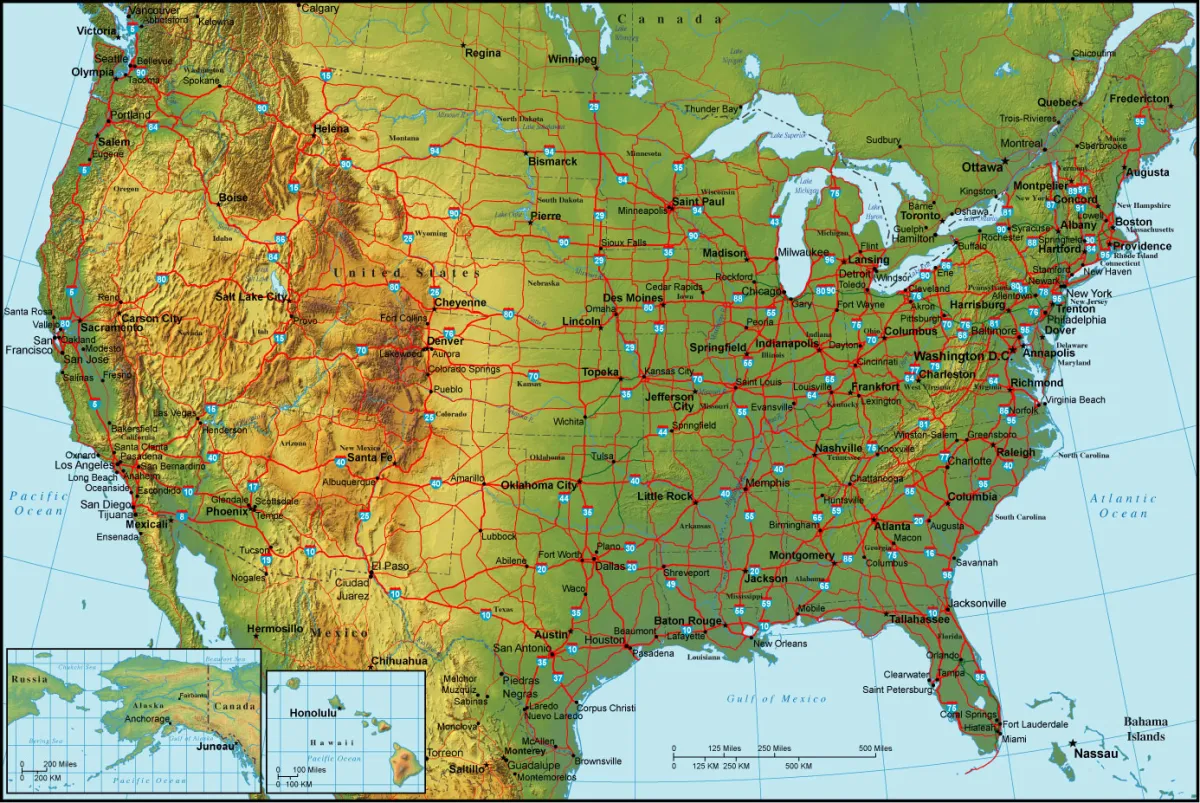 Photo: United States, via www.united-states-map.com
These companies don't just run detention facilities—they actively shape the policies that fill them. Since 2008, private prison corporations have spent over $25 million lobbying Congress for stricter immigration enforcement, while their executives have donated millions more to political campaigns. The return on investment has been extraordinary: federal contracts worth billions of dollars to house migrants in facilities that operate with minimal oversight and maximum profit margins.
The Lobbying-to-Detention Pipeline
The private prison industry's business model depends on maintaining high detention numbers, creating a perverse incentive structure where corporate profits align with human captivity. Internal documents from these companies explicitly identify declining detention rates as a business risk, while their annual reports celebrate policy changes that increase immigrant arrests.
GEO Group alone received over $2.4 billion in federal contracts in 2022, with 65% of its revenue coming from immigration detention. CoreCivic, formerly Corrections Corporation of America, operates 65 facilities across the country, housing both immigrants and incarcerated people under conditions that have drawn repeated federal investigations.
The companies have successfully lobbied for detention bed quotas—congressional appropriations that require ICE to maintain a minimum number of detention beds regardless of actual enforcement needs. This "detention bed mandate" guarantees a steady revenue stream while creating artificial pressure to arrest and detain immigrants to meet contractually obligated occupancy rates.
Conditions by Design, Not Accident
The human cost of this profit-driven system is documented in hundreds of government reports, inspector general investigations, and legal filings. Detained immigrants face overcrowded facilities, inadequate medical care, limited legal access, and documented cases of physical and sexual abuse.
A 2023 Department of Homeland Security Office of Inspector General report found that private immigration detention facilities had 40% more safety and security incidents than government-run facilities. Medical care is so inadequate that at least 200 people have died in immigration detention since 2010, with many deaths ruled preventable by medical experts.
These conditions aren't failures of the system—they're features of it. Private prison companies maximize profits by minimizing costs, cutting corners on staffing, medical care, food quality, and facility maintenance. The detained population, lacking citizenship rights and facing language barriers, has limited recourse to challenge these conditions.
The False Economics of Detention
Proponents argue that private detention saves taxpayer money, but this claim collapses under scrutiny. Private facilities cost an average of $134 per person per day, compared to alternatives like case management programs that cost as little as $4.50 per day while achieving 95% compliance with immigration proceedings.
The real cost extends far beyond the daily rate. Lengthy detention periods—averaging 57 days but often extending to years—destroy families and communities while providing no measurable public safety benefit. Studies consistently show that detained immigrants are no more likely to pose public safety risks than those released pending their hearings.
Meanwhile, the economic impact on communities is devastating. When primary earners are detained, families lose income, children enter foster care systems, and local economies suffer. The true cost of detention includes emergency room visits for family members experiencing trauma, special education services for affected children, and social services for families pushed into poverty.
International Shame, Corporate Gain
The United States detains immigrants at rates that dwarf other developed nations. While countries like Canada and the United Kingdom use detention as a last resort, America has built the world's largest immigration detention system—one that generates billions for private corporations while undermining both human rights and fiscal responsibility.
This isn't immigration policy—it's wealth extraction disguised as law enforcement. Every day someone spends in detention generates revenue for shareholders while traumatizing individuals and families who often end up winning their immigration cases and remaining in the United States legally.
Breaking the Cycle
Several states and localities have begun divesting from private prison companies, recognizing that profiting from human captivity is both morally indefensible and fiscally irresponsible. California, Nevada, and New York have passed legislation restricting or banning private detention facilities.
Congress could end the detention bed mandate tomorrow, allowing immigration enforcement to be based on actual public safety needs rather than corporate profit margins. Alternative programs like case management, check-ins, and ankle monitors achieve the same compliance rates at a fraction of the cost without the documented human rights abuses.
The Choice Before Us
The immigration detention industry represents everything wrong with American capitalism: corporations that profit from human misery while lobbying for policies that create more misery to generate more profit. This isn't a broken system—it's a system working exactly as designed, just not for the American people.
Real immigration reform starts with acknowledging that detention should serve public safety, not shareholder returns—and that treating human beings as profit centers is a choice we can unmake.