The Disappearing Courthouse Door
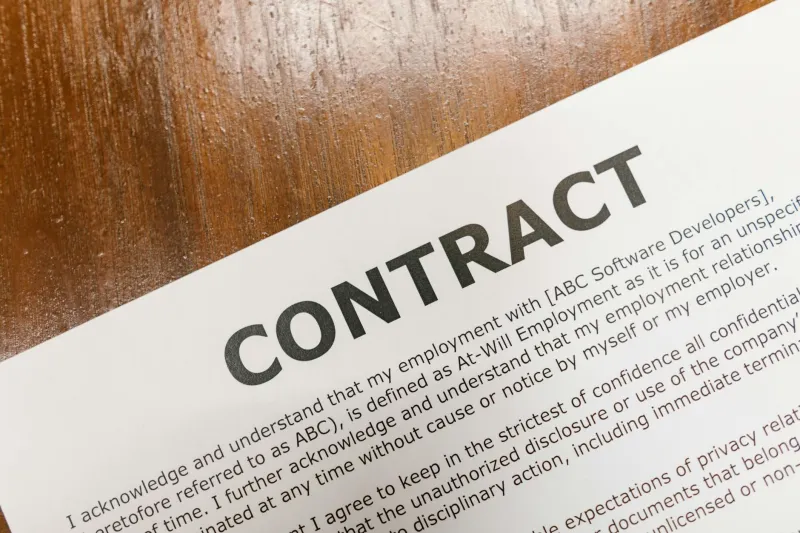
Buried in the fine print of your credit card agreement, employment contract, and even your nursing home admission papers lies a clause that has fundamentally transformed American justice: mandatory arbitration. This seemingly innocuous legal language has quietly stripped over 100 million workers and countless consumers of their constitutional right to a jury trial, funneling disputes into a privatized justice system that overwhelmingly favors corporate interests.
The numbers tell a stark story. According to the Economic Policy Institute, more than 60% of private-sector workers are now subject to mandatory arbitration clauses—a dramatic increase from just 2% in 1992. For consumers, the reach is even broader: nearly every major credit card company, bank, telecommunications provider, and tech platform now requires arbitration, making it virtually impossible to participate in the modern economy without signing away your right to sue.
A System Rigged From the Start
Arbitration was originally designed as a voluntary alternative to litigation, offering faster and cheaper dispute resolution for commercial conflicts between equal parties. But corporations have weaponized this system, making arbitration mandatory and structuring the process to ensure favorable outcomes.
The bias begins with arbitrator selection. Unlike judges who enjoy lifetime tenure and constitutional protections for their independence, arbitrators depend on repeat business from corporations for their livelihoods. A 2019 study by the Economic Policy Institute found that in employment disputes, arbitrators rule in favor of companies 84% of the time—compared to 57% in federal court.
The financial incentives are impossible to ignore. Major arbitration firms like the American Arbitration Association and JAMS generate millions in revenue from corporate clients who bring hundreds of cases annually. An arbitrator who consistently rules against these corporate clients won't remain on their preferred lists for long. This "repeat player effect" has created a shadow court system where justice is quite literally for sale.
Silencing the Most Vulnerable
The impact of forced arbitration falls disproportionately on those with the least power to resist it. Low-wage workers facing wage theft, sexual harassment, or discrimination find themselves trapped in a system designed to minimize their chances of success. Unlike public court proceedings that can expose widespread corporate misconduct, arbitration operates in complete secrecy, preventing victims from learning about similar cases or joining together in class actions.
Consider the case of nursing home residents, among the most vulnerable Americans. Nearly 90% of nursing homes now require arbitration agreements, often signed by family members during the emotional stress of admission. When residents suffer abuse or neglect, their families discover they cannot sue in court, cannot access public records of similar incidents, and must argue their case before arbitrators who regularly handle cases for the nursing home industry.
The secrecy is by design. Arbitration proceedings are confidential, awards are often sealed, and there is no public record of corporate wrongdoing. This information blackout prevents pattern recognition, regulatory oversight, and the public accountability that comes with transparent court proceedings.
The Supreme Court's Corporate Enablement
The forced arbitration epidemic didn't happen by accident—it was enabled by a series of Supreme Court decisions that have systematically expanded corporate power at the expense of individual rights. The Court's 2018 decision in Epic Systems Corp. v. Lewis dealt the most devastating blow, ruling that employers can force workers to resolve disputes individually rather than through class actions, even when individual claims are too small to pursue economically.
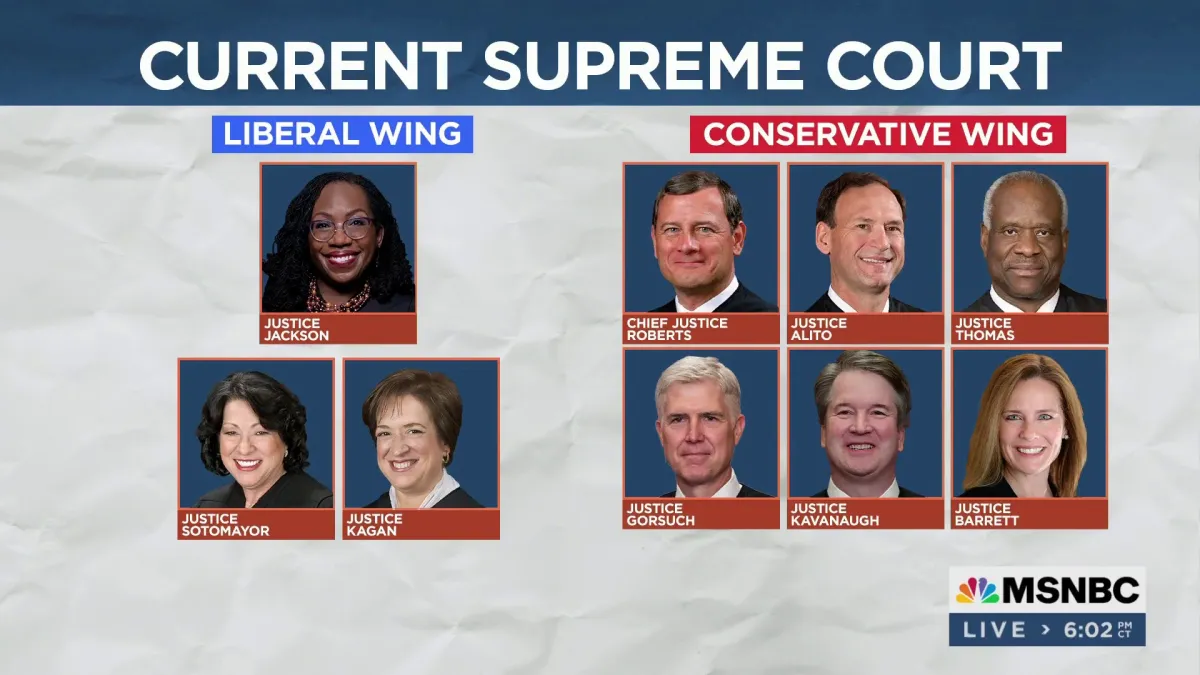 Photo: Supreme Court, via media12.s-nbcnews.com
Justice Neil Gorsuch, writing for the majority, claimed that forced arbitration simply enforces contracts as written. But this ignores the fundamental power imbalance between corporations and individuals. When signing an employment contract or opening a bank account, consumers have no meaningful choice—they can accept arbitration or forgo employment and essential services entirely.
 Photo: Justice Neil Gorsuch, via imgcdn.stablediffusionweb.com
The Court's arbitration jurisprudence represents a radical departure from congressional intent. The Federal Arbitration Act of 1925 was designed to facilitate voluntary commercial arbitration between businesses, not to create a parallel justice system that favors corporate defendants. Yet the current Court has stretched this nearly century-old law to cover everything from employment disputes to consumer fraud claims.
The Hidden Costs of Privatized Justice
Defenders of forced arbitration argue it provides faster, cheaper dispute resolution than traditional litigation. But this efficiency comes at the cost of fundamental fairness and due process protections that define American justice.
Unlike federal judges, arbitrators face no ethical oversight, can consider inadmissible evidence, and need not explain their reasoning. There is no right to discovery, no jury of peers, and virtually no appeal process. Awards can be overturned only in cases of fraud or corruption—standards so narrow that even clearly erroneous decisions stand.
The financial barriers are equally problematic. While corporations tout arbitration as "free" for consumers, the reality is more complex. Administrative fees can reach thousands of dollars, and unlike court proceedings where losing parties may pay attorney's fees, arbitration often requires each side to bear its own costs regardless of outcome.
Fighting Back: Legislative and Grassroots Resistance
Despite corporate dominance, a growing movement is challenging forced arbitration on multiple fronts. The Forced Arbitration Injustice Repeal (FAIR) Act, introduced in Congress, would restore Americans' right to choose arbitration voluntarily rather than having it imposed through take-it-or-leave-it contracts.
Several states have passed laws limiting arbitration in specific contexts. California now prohibits forced arbitration in employment contracts, while New York has banned the practice in nursing home admissions. These state-level reforms face ongoing legal challenges, but they demonstrate growing recognition that privatized justice serves corporate interests at public expense.
Worker organizing has also proven effective. High-profile campaigns by fast-food workers, tech employees, and others have forced some employers to eliminate mandatory arbitration clauses from their contracts. The #MeToo movement, in particular, has highlighted how arbitration silences sexual harassment survivors and prevents accountability for repeat offenders.
Reclaiming Constitutional Rights
The forced arbitration crisis reflects a broader assault on democratic institutions and individual rights. When corporations can unilaterally eliminate access to courts, they effectively place themselves above the law. This privatization of justice undermines the rule of law and creates a two-tiered system where corporate actors enjoy impunity while ordinary Americans are denied basic legal protections.
Restoring meaningful access to justice requires more than legislative fixes—it demands a fundamental shift in how we understand corporate power and individual rights. The Constitution guarantees due process and equal protection under law, but these promises ring hollow when corporations can force disputes into rigged tribunals that operate in secret.
The Stakes Could Not Be Higher
Every time you sign a contract, download an app, or start a new job, you're likely waiving constitutional rights you didn't know you had. The forced arbitration system has become so pervasive that most Americans will never see the inside of a courtroom, even when they suffer serious legal injuries.
This erosion of legal rights isn't just a technical legal issue—it's a fundamental threat to democratic accountability and the principle that no one is above the law. Until Congress acts to restore Americans' right to choose their forum for legal disputes, corporate impunity will continue to expand while ordinary citizens find themselves increasingly powerless to seek justice.
In a democracy, the courthouse door should be open to all—not locked by corporate lawyers and hidden behind walls of fine print that no reasonable person could be expected to read, understand, or meaningfully negotiate.