The International Student ATM: How Universities Built a Tuition Empire on Vulnerable Visa Holders — Then Left Them Defenseless
The Golden Pipeline
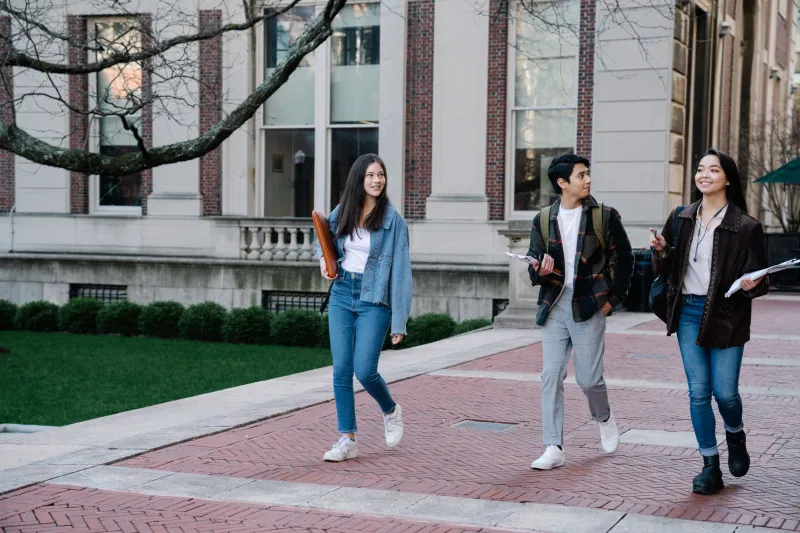
When Priya Sharma arrived at Arizona State University in 2019 from Mumbai, she thought she was investing in the American Dream. Her family had liquidated their savings and borrowed against their home to pay the $51,000 annual tuition — nearly four times what Arizona residents pay for the same education. She planned to study computer science, work in Silicon Valley, and eventually bring her younger siblings to America.
 Photo: Arizona State University, via www.shutterstock.com
What Sharma didn't realize was that she had become part of a carefully engineered economic system that has quietly transformed American higher education. Universities across the country have built massive revenue streams around international students like her — students who pay full freight, receive minimal financial aid, and have virtually no political power to demand better treatment when things go wrong.
Today, international students contribute over $45 billion annually to the U.S. economy, with Chinese and Indian students alone accounting for more than half of all international enrollment. But this financial bonanza has created a dangerous dependency: universities that have structured their budgets around full-tuition international students while offering those same students fewer protections and services than domestic students receive.
The Tuition Subsidy Machine
The numbers reveal the scope of this dependency. At the University of California system, international students pay an additional $29,754 per year on top of regular tuition — generating over $1.2 billion annually in extra revenue. The University of Illinois derives 25% of its total revenue from international student tuition. Purdue University's international students contribute $400 million annually to a campus budget of $2.8 billion.
 Photo: Purdue University, via need4games.ro
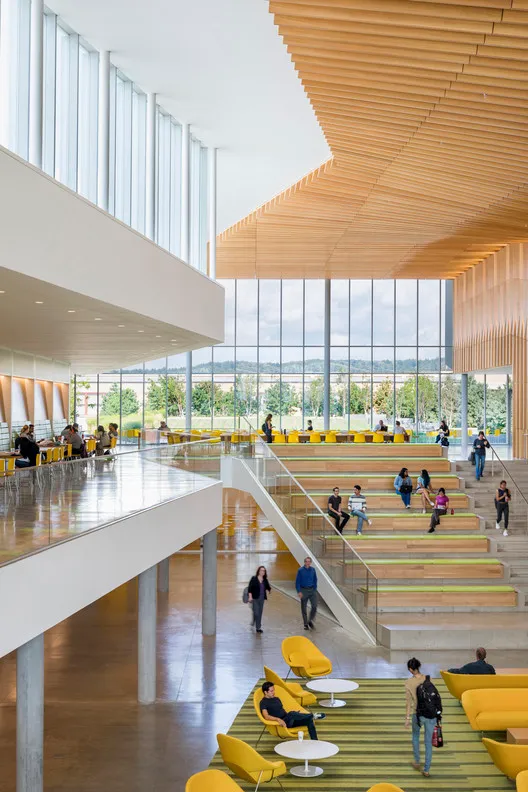 Photo: University of California, via i.pinimg.com
This revenue doesn't just cover the cost of educating international students — it subsidizes the entire university system. International tuition dollars fund domestic student financial aid, faculty salaries, research programs, and campus construction projects. In effect, families in China and India are paying to keep American higher education affordable for American students.
The arrangement works because international students have few alternatives. Unlike domestic students, they cannot transfer easily between schools without risking their visa status. They cannot take time off to work without authorization. They cannot access federal financial aid or most private scholarships. This captive market allows universities to charge premium prices while providing minimal support services.
The Visa Vulnerability
What makes this system particularly exploitative is the precarious legal status of international students. Unlike domestic students who can protest unfair treatment, organize unions, or transfer schools freely, international students live under constant threat of visa revocation and deportation.
This vulnerability became starkly visible during the COVID-19 pandemic, when the Trump administration announced that international students would lose their visas if their universities moved classes online. The policy was eventually reversed after massive backlash, but it revealed how easily international students could be used as political pawns in immigration debates they had no voice in.
The Biden administration has continued many restrictive policies, including increased visa processing delays that can strand students abroad for months. Current processing times for student visas average 120 days — often longer than the window between admission and the start of classes. Students who miss orientation or the first weeks of classes due to visa delays receive no tuition refunds and limited academic accommodation.
Meanwhile, universities have done little to protect their international student cash cows from these federal policy changes. Despite deriving billions from international tuition, most universities spend minimal resources on immigration law support, emergency financial assistance, or advocacy for international student rights.
The Mental Health Crisis
The combination of financial pressure, social isolation, and legal vulnerability has created a mental health crisis among international students that universities are ill-equipped to address. Studies consistently show that international students experience depression and anxiety at rates significantly higher than domestic students, yet they are less likely to seek help due to cultural barriers and fear that mental health treatment could affect their visa status.
The financial pressure is particularly acute. International students typically cannot work off-campus and are limited to 20 hours per week of on-campus employment — usually at minimum wage. With tuition costs often exceeding $60,000 annually at private universities, many students arrive with family finances stretched to the breaking point. When emergencies arise — medical bills, family crises, unexpected expenses — international students have few resources to draw on.
Universities that happily collect full tuition from these students often provide minimal financial emergency support. A 2022 survey by the Institute of International Education found that only 34% of universities offer emergency financial assistance specifically for international students, despite the fact that these students generate billions in revenue.
The Diploma Mill Pipeline
The financial incentives have also created a pipeline of questionable institutions that exist primarily to harvest international student tuition dollars. These "diploma mills" recruit heavily in China and India, promising American degrees and work opportunities while providing substandard education and minimal student support.
The University of Northern Virginia, which was shut down by federal authorities in 2019, had enrolled over 1,500 international students primarily as a visa scheme. Students paid full tuition for degrees that were essentially worthless, while the university's owners pocketed millions. When the scheme collapsed, students lost their legal status overnight and faced deportation.
Even legitimate universities have created questionable programs designed primarily to attract international student dollars. Professional master's programs in fields like data analytics or cybersecurity often charge premium tuition while offering limited career services or job placement assistance. These programs generate massive revenue while providing degrees of dubious market value.
The Geopolitical Weapon
International students have increasingly become collateral damage in broader geopolitical conflicts. The Trump administration's trade war with China included restrictions on Chinese graduate students in science and technology fields. The Biden administration has maintained many of these restrictions while adding new ones.
These policies ignore the reality that international students often have no connection to their home governments' policies. A computer science student from Guangzhou has no influence over Chinese trade practices, yet they face visa restrictions based on their nationality alone. Meanwhile, universities that have built their budgets around Chinese student tuition face revenue shortfalls they pass on to domestic students through higher fees.
The use of student visas as diplomatic leverage represents a fundamental betrayal of educational values. Universities that market themselves as global institutions committed to academic freedom are simultaneously accepting policies that discriminate against students based on national origin.
The Exploitation Economy
The international student system reveals a broader pattern in American higher education: the commodification of learning and the treatment of students as revenue sources rather than people deserving of support and protection. This is particularly stark for international students, who pay the highest prices while receiving the fewest protections.
Universities market themselves globally as providing transformative educational experiences and pathways to American opportunities. The reality is often different: overcrowded classes, limited faculty interaction, minimal career services, and bureaucratic indifference to student needs. International students who complain risk being labeled "difficult" or having their visa status questioned.
The Optional Practical Training (OPT) program, which allows international students to work in the U.S. after graduation, has become another exploitation mechanism. Employers know that OPT workers cannot easily change jobs or negotiate salaries without risking their visa status. This captive labor force drives down wages and working conditions for all workers while generating additional revenue for universities through program fees.
The Reform Imperative
Addressing the international student crisis requires recognizing that the current system serves neither educational nor economic justice. Real reform would start with basic protections: guaranteed emergency financial assistance for international students, immigration law support services, and mental health resources designed for their specific needs.
Universities that derive billions from international student tuition should be required to provide comprehensive support services, including emergency housing, food assistance, and legal aid. They should also be prohibited from using international students as a substitute for adequate state funding of higher education.
More fundamentally, the federal government should recognize that international students are not just economic units but people deserving of basic rights and protections. This means visa policies that provide stability and due process, work authorization that allows economic mobility, and pathways to permanent residence that don't require remaining in exploitative situations.
The current system treats international students as a renewable resource to be harvested for revenue while bearing none of the risks or responsibilities of genuine educational partnership. Until universities and policymakers recognize international students as whole people rather than walking ATMs, the American promise of educational opportunity will remain a expensive illusion for the families who sacrifice everything to pursue it.