The Maternal Mortality Cover-Up: How America Hides Its Shameful Childbirth Death Rate — and Who's Dying Because of It
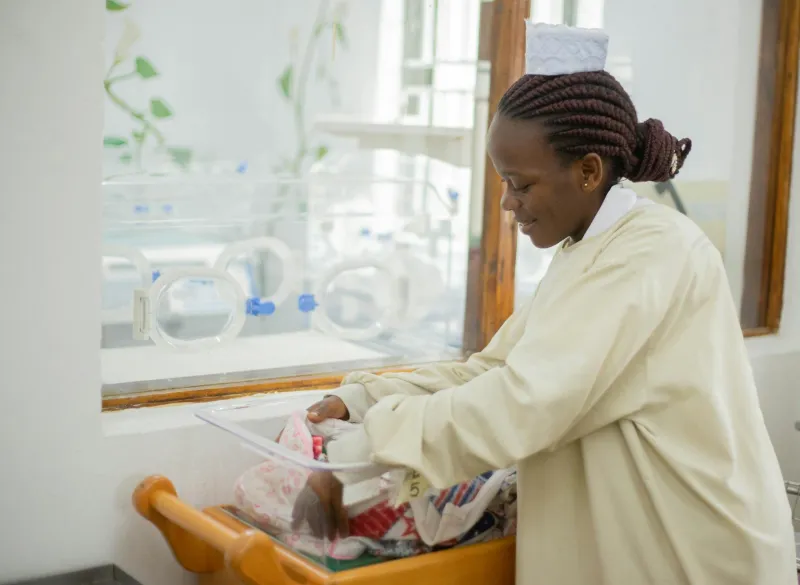
The Maternal Mortality Cover-Up: How America Hides Its Shameful Childbirth Death Rate — and Who's Dying Because of It
In the world's wealthiest nation, giving birth has become increasingly deadly — and the full scope of this crisis remains hidden behind inconsistent reporting, bureaucratic failures, and a healthcare system that treats pregnancy as a luxury rather than a fundamental human experience. The United States maternal mortality rate has nearly doubled since 1987, reaching levels that would be considered a public health emergency in any other wealthy democracy. Yet this catastrophe remains largely invisible, masked by data collection failures that serve to protect institutions rather than the women they're killing.
The Numbers Behind the Tragedy
The statistics are stark and shameful. According to the CDC, approximately 700 American women die from pregnancy-related causes each year — a rate of 17.4 deaths per 100,000 live births that dwarfs every other developed nation. Germany's rate sits at 3.2 deaths per 100,000. France manages 3.3. Even accounting for differences in data collection, American women are dying in childbirth at rates that should horrify every lawmaker and healthcare administrator in the country.
But these national averages obscure an even more devastating reality: the maternal mortality crisis disproportionately kills Black women at rates that can only be described as a public health catastrophe rooted in systemic racism. Black mothers die at 2.6 times the rate of white mothers — a disparity that persists across income levels, education, and geographic regions. In some states, including Texas and Georgia, Black women are three to four times more likely to die from pregnancy-related causes than their white counterparts.
The Reporting Scandal That Hides the Crisis
Part of what makes America's maternal mortality crisis so intractable is that we're not even accurately counting the dead. State-level maternal mortality review committees — the bodies responsible for investigating pregnancy-related deaths — operate with wildly different standards, timelines, and resources. Some states take years to investigate deaths, while others lack the funding to conduct thorough reviews at all.
This isn't bureaucratic incompetence — it's systemic neglect that serves powerful interests. Hospitals, insurance companies, and state health departments have little incentive to accurately document maternal deaths that might expose their own failures. The result is a patchwork of underreporting that makes it impossible to hold anyone accountable for preventable deaths.
Texas provides a particularly egregious example. After implementing some of the nation's most restrictive reproductive health policies, the state saw its maternal mortality rate double between 2010 and 2014. But rather than addressing the underlying causes, Texas simply stopped funding its maternal mortality review committee, ensuring that future deaths would go uninvestigated and uncounted.
The Medicaid Postpartum Coverage Gap
Behind many maternal deaths lies a cruel irony: America provides pregnant women with temporary access to healthcare through Medicaid expansion, then cuts off that coverage precisely when new mothers need continued care most. In most states, Medicaid pregnancy coverage ends just 60 days after birth, leaving new mothers without insurance during a critical period when pregnancy-related complications can still prove fatal.
This coverage gap isn't an oversight — it's a deliberate policy choice that reflects how America treats pregnancy as a temporary medical event rather than the beginning of a lifelong healthcare relationship. The American Rescue Plan Act temporarily extended postpartum Medicaid coverage to 12 months, but many states have been slow to implement the change, and the extension remains vulnerable to future political attacks.
How Healthcare Deserts Kill Mothers
The ongoing assault on reproductive healthcare infrastructure has created vast "maternity care deserts" where pregnant women must travel hundreds of miles to access basic prenatal care, let alone emergency obstetric services. Since 2011, more than 180 rural hospitals have closed their maternity wards, leaving entire regions without local access to childbirth care.
These closures disproportionately affect low-income women and women of color, who are less likely to have reliable transportation or the resources to travel for care. When complications arise during pregnancy or childbirth, the difference between life and death often comes down to proximity to emergency services — a proximity that healthcare privatization and defunding has systematically destroyed.
The Racism That Kills
Perhaps most damning is the evidence that maternal mortality disparities persist even when controlling for income, education, and access to care. Black women with college degrees and health insurance still die in childbirth at higher rates than white women who dropped out of high school. This points to something deeper than economic inequality: systemic racism within healthcare institutions that treats Black women's pain as less urgent, their concerns as less credible, and their lives as less valuable.
Studies consistently show that Black women's reports of pain and medical distress are dismissed or minimized by healthcare providers, leading to delayed interventions that can prove fatal. The death of tennis superstar Serena Williams, who nearly died from postpartum complications despite having access to the best medical care money can buy, illustrates how racism can override even extraordinary privilege when Black women need emergency care.
 Photo: Serena Williams, via www.byrdie.com
The Policy Solutions We're Not Implementing
The solutions to America's maternal mortality crisis aren't mysterious — they're proven interventions that other countries have successfully implemented. Universal healthcare coverage would eliminate the insurance gaps that leave new mothers vulnerable. Mandatory paid family leave would allow women to recover properly after childbirth without risking their economic survival. Investments in community health centers and rural hospital funding would restore access to care in underserved areas.
Most importantly, we need accountability mechanisms that treat maternal deaths as the preventable tragedies they often are. Every maternal death should trigger an automatic review with standardized protocols, public reporting requirements, and real consequences for institutions that fail to provide adequate care.
Beyond Individual Tragedy: Systemic Violence
America's maternal mortality crisis isn't a collection of individual tragedies — it's a systemic failure that reflects our deepest values about whose lives matter and who deserves protection. A nation that can spend trillions on military interventions while allowing its own mothers to die in childbirth has made a moral choice about whose safety to prioritize.
The women dying in American hospitals and birthing centers aren't statistics to be managed or problems to be solved through market mechanisms — they're human beings whose deaths represent a profound moral failure that demands immediate, comprehensive action.
Until we treat maternal mortality as the public health emergency it represents, America will continue to betray its most fundamental promise: that bringing life into the world shouldn't cost a woman her own.