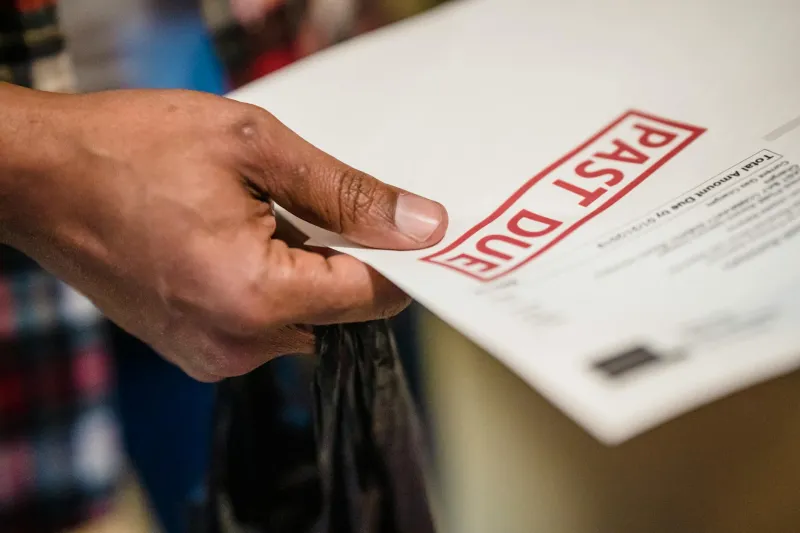
The Medical Debt Trap: How Hospitals Are Garnishing Wages and Seizing Homes From the People They're Supposed to Heal
In Kansas City, a janitor named Jerry Ashford discovered that the hospital where he once received emergency treatment for a heart attack had placed a lien on his modest home over a $12,000 bill he couldn't afford to pay. In Virginia, a teacher learned her wages were being garnished by the same nonprofit hospital that had treated her daughter's broken arm. Across America, millions of patients are finding that seeking medical care doesn't just risk their health—it threatens their financial survival.
Medical debt has become the leading cause of personal bankruptcy in the United States, affecting over 100 million Americans who owe a collective $220 billion to healthcare providers. Yet what's most unconscionable isn't just the scale of this crisis—it's how aggressively hospitals, including tax-exempt nonprofit institutions, are pursuing patients through wage garnishment, property liens, and credit destruction. We've created a healthcare system that weaponizes billing against the very people it's supposed to heal.
The Debt Collection Machine
The medical debt collection industry operates as a shadow punishment system for the crime of getting sick. Unlike other forms of consumer debt, medical bills often arrive without warning, carry no negotiated terms, and reflect prices that bear no relationship to actual costs. A recent study by the Consumer Financial Protection Bureau found that medical debt accounts for 58% of all debt collection tradelines on credit reports, despite representing just a fraction of total consumer spending.
Hospitals have transformed themselves into aggressive debt collectors, employing tactics that would make payday lenders blush. They garnish wages at rates up to 25% of take-home pay, place liens on homes and vehicles, and freeze bank accounts—all while maintaining their tax-exempt status as charitable institutions. In Missouri alone, nonprofit hospitals filed over 19,000 lawsuits against patients in a single year, according to an investigation by the St. Louis Post-Dispatch.
The human cost is devastating. Families skip medications, delay necessary care, and drain savings accounts to pay bills they never agreed to incur. A Commonwealth Fund study found that 43% of working-age adults were inadequately insured, meaning they faced medical costs that could destabilize their finances despite having coverage.
The Nonprofit Hospital Scam
Perhaps most galling is how nonprofit hospitals abuse their charitable mission while pursuing patients with ruthless efficiency. These institutions receive billions in tax exemptions—an estimated $28 billion annually—in exchange for providing community benefits, including charity care for low-income patients. Yet many spend more on debt collection than they provide in financial assistance.
A 2022 investigation by Kaiser Health News found that some of the nation's wealthiest hospital systems, including Johns Hopkins and the University of Virginia Health System, were among the most aggressive in pursuing patients for unpaid bills. UVA Health alone filed more than 36,000 lawsuits against patients over six years, garnishing wages from employees earning as little as $12 per hour.
 Photo: Johns Hopkins, via interiordesign.net
The Affordable Care Act requires nonprofit hospitals to have financial assistance policies, but these are often deliberately obscured. Hospitals frequently initiate collection actions before informing patients about available aid, or set income thresholds so low that working families don't qualify despite genuine financial hardship.
Fighting Back: State-Level Reforms
Fortunately, states are beginning to recognize medical debt for what it is: a policy failure that demands systemic solutions. Connecticut recently became the first state to eliminate medical debt from credit reports, while Colorado capped medical debt at 3% of annual income for low- and middle-income residents.
New York has implemented some of the nation's strongest protections, prohibiting hospitals from garnishing wages or placing liens on primary residences for patients earning less than 400% of the federal poverty level. The state also requires hospitals to offer payment plans and provide clear information about financial assistance programs.
Most promising are debt forgiveness initiatives. Cook County, Illinois, used federal COVID relief funds to purchase and forgive $72 million in medical debt, providing relief to 76,000 residents. Similar programs in New Orleans and Toledo have demonstrated that large-scale debt cancellation is both feasible and transformative for communities.
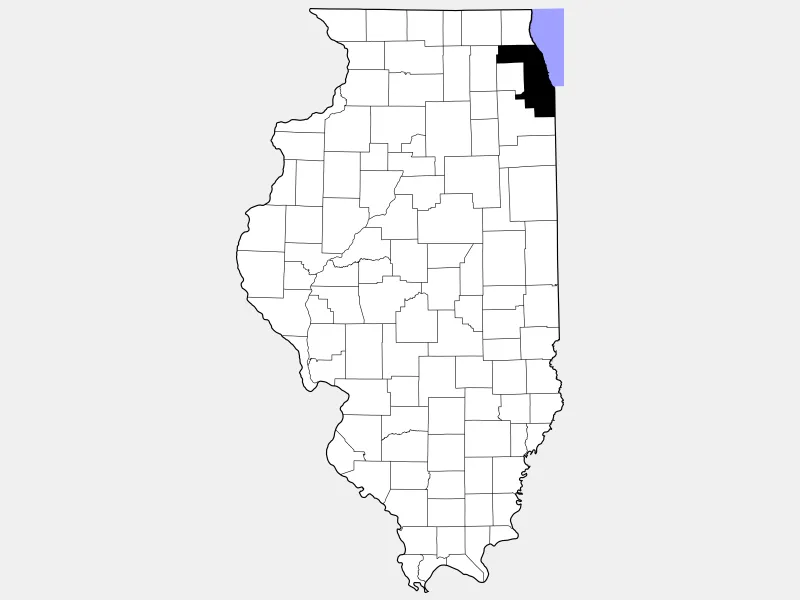 Photo: Cook County, via cdn.mapsof.net
The Moral Bankruptcy of Medical Billing
Critics argue that aggressive debt collection is necessary to maintain hospital finances and ensure that patients take financial responsibility for their care. This argument crumbles under scrutiny. Hospital pricing is notoriously opaque and inflated, with list prices often bearing no relationship to actual costs or negotiated insurance rates. Patients have no ability to shop for emergency care or negotiate terms, making medical debt fundamentally different from voluntary consumer purchases.
Moreover, the current system creates perverse incentives that prioritize collections over care. Hospitals spend enormous resources on billing departments and debt collection while claiming they can't afford to expand charity care programs. This isn't fiscal responsibility—it's moral bankruptcy masquerading as business necessity.
A Healthcare System That Heals, Not Harms
The medical debt crisis exposes the fundamental contradiction at the heart of American healthcare: we've created a system that treats health as a commodity rather than a human right. When hospitals prioritize debt collection over patient care, they abandon their core mission and betray the communities they're supposed to serve.
Real reform requires more than incremental fixes. We need comprehensive medical debt forgiveness, strict limits on hospital collection practices, and ultimately, a healthcare financing system that doesn't bankrupt families for seeking care. Until then, every medical bill that drives a family into poverty represents a failure of our collective commitment to human dignity.
The choice is clear: we can continue enabling a predatory system that profits from human suffering, or we can build a healthcare system worthy of the name—one that heals communities rather than destroying them financially.