The Shadow Landlord State: How Government Pension Funds Became Landlords — And Started Raising Rent on the People They Serve

Across America, teachers, firefighters, police officers, and municipal workers are being priced out of the communities they serve. Rents are skyrocketing, home ownership is increasingly out of reach, and corporate landlords are snapping up single-family homes at unprecedented rates. What these public servants don't know is that their own retirement savings are funding the very forces pushing them into housing insecurity.
Public pension funds — managing over $4.5 trillion in assets for government workers — have quietly become some of the largest investors in private equity real estate. The same institutional investors driving America's housing crisis are being bankrolled by the retirement contributions of the working people they're displacing.
The Perverse Logic of Pension Fund Real Estate
The numbers are staggering. CalPERS, the largest public pension fund in the United States, has allocated over $30 billion to real estate investments. The Teacher Retirement System of Texas has committed $15 billion. New York State Common Retirement Fund: $12 billion. Collectively, public pension funds have poured hundreds of billions of dollars into private equity real estate funds over the past decade.
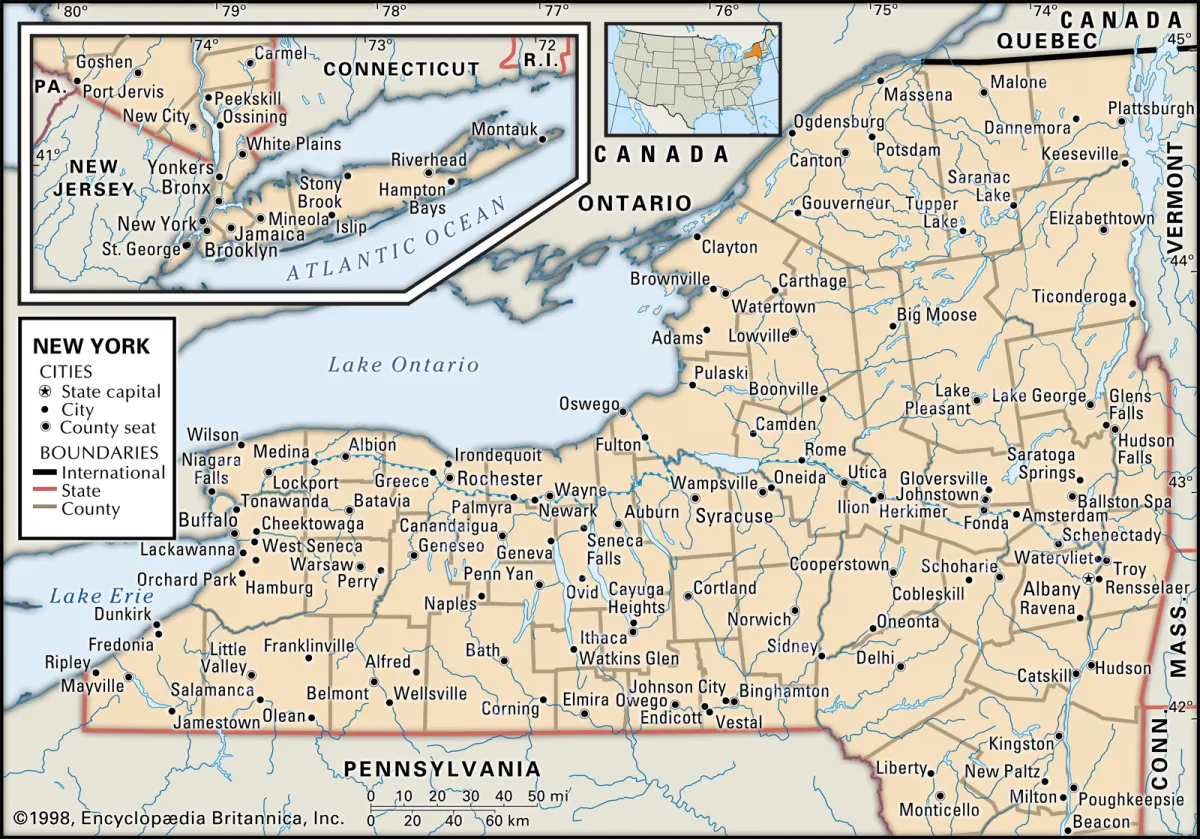 Photo: New York State, via cdn.britannica.com
These aren't investments in affordable housing or community development. They're stakes in Blackstone, Apollo Global Management, and other private equity giants that treat housing as a commodity to be optimized for maximum returns. The investment strategy is simple: buy properties, raise rents aggressively, minimize maintenance, and extract maximum cash flow before selling to the next investor.
Consider the Teachers' Retirement System of Illinois, which invested $100 million with Invitation Homes — a company that owns over 80,000 single-family rental properties nationwide and has been repeatedly sued for predatory practices including illegal rent increases and retaliatory evictions. Illinois teachers struggling to afford rent in their own districts are unknowingly funding the corporate landlord squeezing them.
The Moral Contradiction at the Heart of Public Finance
This arrangement represents a fundamental perversion of public purpose. Pension funds exist to provide retirement security for workers who dedicate their careers to serving the public good. Instead, they've become vehicles for financializing housing and extracting wealth from the same communities these workers call home.
The contradiction is most stark in expensive metropolitan areas where public sector workers can no longer afford to live. In San Francisco, teachers earning $65,000 annually compete for rentals against tech workers making three times as much — while their pension fund invests billions with firms that are actively gentrifying neighborhoods and displacing long-term residents.
 Photo: San Francisco, via cdn.britannica.com
Firefighters in Los Angeles face similar pressures. The median home price in LA County exceeds $800,000, far beyond the reach of someone earning the city's firefighter starting salary of $70,000. Meanwhile, CalPERS has committed billions to real estate private equity funds that specifically target "undervalued" properties in working-class neighborhoods for renovation and rent increases.
Fiduciary Duty as a Shield for Exploitation
Pension fund managers defend these investments by invoking "fiduciary duty" — the legal obligation to maximize returns for retirees. This framing treats housing extraction as not just permissible but required, transforming a basic human need into an investment thesis.
But fiduciary duty doesn't exist in a moral vacuum. It must be balanced against other considerations, including the broader welfare of pension beneficiaries who are also community members, homebuyers, and renters. When pension investments actively harm the communities where beneficiaries live and work, the narrow focus on financial returns becomes self-defeating.
Moreover, the "maximum returns" justification is increasingly questionable on its own terms. Real estate private equity funds typically charge fees of 2% annually plus 20% of profits — a fee structure that enriches fund managers while reducing net returns to pension beneficiaries. Academic studies consistently show that these fees often eliminate any outperformance compared to lower-cost alternatives.
The Ripple Effects of Financialized Housing
The pension fund-private equity pipeline has accelerated the transformation of housing from shelter into financial product. Private equity firms use pension fund capital to outbid individual homebuyers, converting owner-occupied homes into rental properties and removing them from the for-sale market permanently.
This process is particularly devastating in historically Black neighborhoods, where private equity firms specifically target properties for acquisition and rent extraction. A 2021 investigation by the Atlanta Journal-Constitution found that institutional investors purchased one in five homes sold in majority-Black neighborhoods, compared to one in 20 in majority-white areas.
The result is a vicious cycle: pension funds invest in firms that reduce homeownership opportunities and drive up rents, forcing more public sector workers to rent instead of buy, which increases their housing costs and reduces their ability to save for retirement, creating pressure for even more aggressive pension fund investment strategies.
Models for Responsible Investment
Some pension funds are beginning to recognize this contradiction and chart a different course. The San Francisco Employees' Retirement System has committed $500 million to affordable housing development in the Bay Area. The New York City Employees' Retirement System launched a $1 billion program to finance affordable and workforce housing in the five boroughs.
These investments prove that pension funds can generate competitive returns while supporting community development rather than displacement. They can finance new construction, preserve existing affordable housing, and provide homeownership opportunities for working families — including their own beneficiaries.
The key is shifting from extractive to generative investment strategies. Instead of buying existing properties to maximize rents, pension funds can finance new development, support community land trusts, and invest in cooperative housing models that permanently remove properties from speculation.
The Political Path Forward
Transforming pension fund investment requires both policy changes and political pressure. State legislators and pension board members need to redefine fiduciary duty to include community impact alongside financial returns. This isn't just idealistic — it's practical recognition that pension beneficiaries are harmed when their retirement savings destroy the communities where they live.
Several states are considering legislation to require pension funds to report on the housing impact of their real estate investments and to prioritize investments that increase affordable housing supply. Labor unions representing public sector workers are also beginning to demand more responsible investment policies from their pension funds.
The movement is gaining momentum because the contradictions are becoming impossible to ignore. When teachers can't afford to live in the districts where they work, when firefighters are priced out of the communities they protect, and when municipal workers spend half their income on rent, something is fundamentally broken.
Reclaiming Public Purpose
Public pension funds control trillions of dollars in capital that could be used to solve America's housing crisis instead of exacerbating it. The question is whether we'll continue allowing that capital to be weaponized against working families or redirect it toward building the affordable, stable communities that public sector workers deserve.
The choice is stark: pension funds can keep enriching private equity landlords while their own beneficiaries struggle with housing costs, or they can use their massive capital to create the affordable housing their members desperately need.
Public servants dedicate their careers to serving their communities — their retirement savings should do the same.