The Clean Energy Waiting Game: How America's Broken Permitting System Sabotages Climate Action While Fossil Fuels Race Ahead
The Clean Energy Waiting Game: How America's Broken Permitting System Sabotages Climate Action While Fossil Fuels Race Ahead
In Nevada's Mojave Desert, the Gemini Solar Project has been waiting nearly a decade for federal approval. At 690 megawatts, it would power 260,000 homes with clean electricity. Meanwhile, in the same region, oil and gas companies routinely receive drilling permits in months, not years. This tale of two approval processes isn't an accident — it's the result of a permitting system deliberately structured to favor fossil fuel incumbents over renewable energy challengers.
 Photo: Mojave Desert, via c1.staticflickr.com
A System Built for Yesterday's Energy
The numbers tell a stark story of institutional bias. According to the Solar Power Industries Association, utility-scale solar projects face an average federal permitting timeline of 4.5 years. Wind projects on federal lands wait even longer — often 6-8 years from application to approval. By contrast, the Bureau of Land Management processed 3,712 oil and gas drilling permits in fiscal year 2023 alone, with most approvals coming within the statutory 30-day deadline.
This disparity isn't just about different technologies requiring different review processes. It reflects decades of regulatory capture, where agencies like the Bureau of Land Management and Federal Energy Regulatory Commission have been shaped by the industries they're supposed to oversee. The revolving door between government and fossil fuel companies has created an institutional culture that treats oil and gas development as the default, while treating renewable energy as an experimental intrusion requiring extraordinary scrutiny.
The Climate Justice Dimension
The permitting bottleneck isn't just an abstract policy problem — it's a climate justice crisis with real human consequences. Communities that have borne the brunt of fossil fuel pollution, particularly Indigenous nations and low-income neighborhoods, are the same communities that would benefit most from clean energy development and the economic opportunities it brings.
Consider the case of the proposed SunZia transmission line, which would carry renewable energy from New Mexico wind farms to Arizona cities. After more than 15 years in the permitting process, the project finally received approval in 2023 — but only after extensive litigation and political pressure. Meanwhile, the Dakota Access Pipeline, despite massive Indigenous opposition and environmental concerns, moved from proposal to operation in just three years.
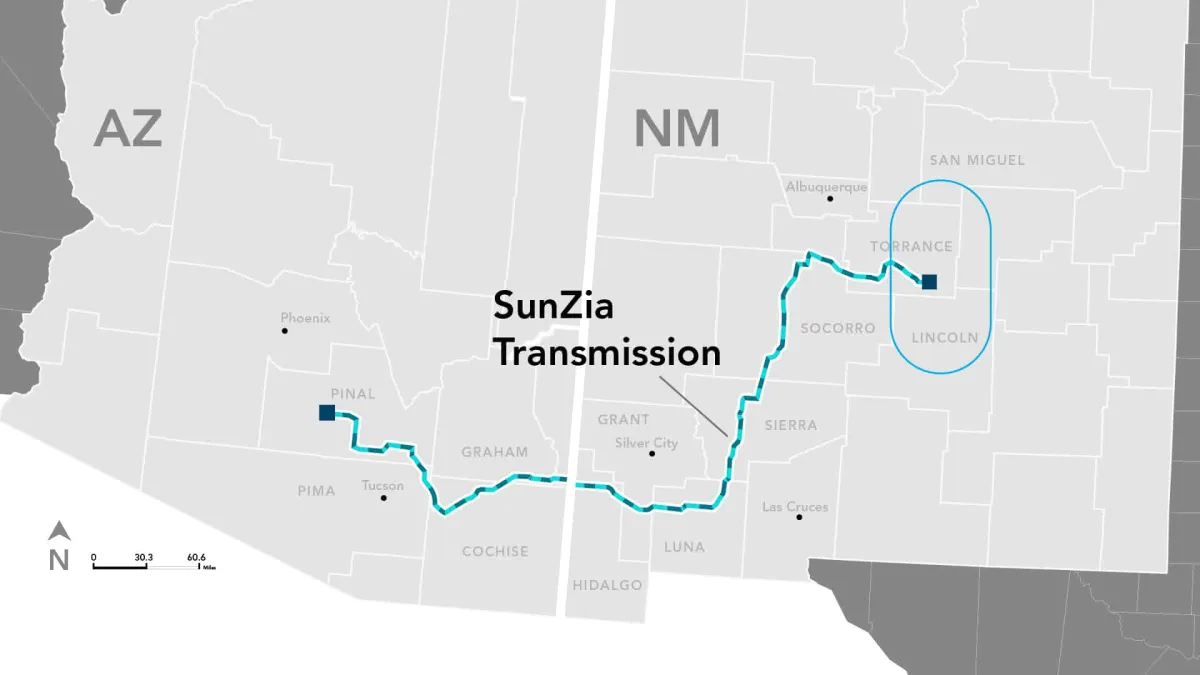 Photo: SunZia transmission line, via patternenergy.com
Critics argue that renewable energy projects face legitimate environmental reviews that fossil fuel projects should also undergo. But this misses the fundamental asymmetry in how these reviews are conducted. Oil and gas projects benefit from categorical exclusions, streamlined environmental assessments, and decades of legal precedent that presumes their necessity. Renewable projects, by contrast, face novel legal challenges, heightened scrutiny, and a regulatory framework that treats clean energy as inherently suspect.
The Economic Cost of Delay
Every year of delay in clean energy permitting represents billions in lost economic opportunity and thousands of jobs that could be created in manufacturing, installation, and maintenance of renewable infrastructure. The American Clean Power Association estimates that permitting delays cost the U.S. economy $100 billion annually in lost investment and 500,000 potential jobs.
These aren't just abstract economic losses — they represent missed opportunities for energy independence, rural economic development, and the kind of industrial policy that could rebuild American manufacturing around clean technology. Meanwhile, fossil fuel companies continue to extract wealth from communities while leaving behind environmental damage and volatile boom-bust cycles that devastate local economies.
Reform or Revolution?
The Biden administration has made permitting reform a centerpiece of its climate agenda, but the proposed solutions largely work within the existing framework rather than challenging its fundamental assumptions. The Inflation Reduction Act includes provisions to streamline renewable energy permitting, but it also mandates new oil and gas lease sales as a political compromise.
What's needed isn't just faster permitting for clean energy — it's a complete reorientation of federal energy policy that recognizes the climate emergency and treats renewable energy development as a national security imperative. This means creating dedicated clean energy permitting pathways, establishing statutory timelines with real enforcement mechanisms, and ending the preferential treatment that fossil fuel projects have enjoyed for decades.
The Path Forward
Several states are showing what ambitious permitting reform looks like. California's SB 423 creates a streamlined approval process for solar projects on disturbed lands. New York's Accelerated Renewable Energy Growth program gives the state authority to override local opposition to critical clean energy infrastructure. These models could be scaled nationally with sufficient political will.
The federal government could also use its procurement power to drive demand for clean energy projects, creating market certainty that would justify the upfront costs of navigating the permitting maze. The Pentagon, which spends billions annually on energy, could prioritize renewable sources and create guaranteed markets for clean energy developers.
Ultimately, the permitting crisis reflects a deeper problem: an energy policy framework built around fossil fuel extraction rather than clean energy deployment. Until we acknowledge that climate action requires not just new technologies but new institutions, America will continue to fiddle with bureaucratic procedures while the planet burns.
The choice is clear: we can reform our permitting system to match the urgency of the climate crisis, or we can watch renewable energy projects gather dust in regulatory limbo while fossil fuel companies continue business as usual — a luxury our climate can no longer afford.