The Juvenile Life Sentence Trap: How America Locks Up Children Forever — Then Calls It Justice
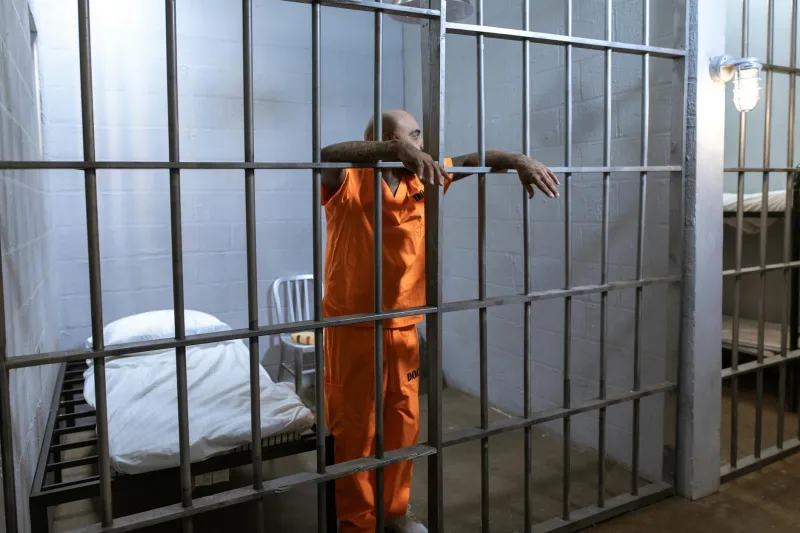
In a country that claims to value redemption and second chances, America continues to sentence children to die behind bars. More than 1,400 people are currently serving life without parole for crimes they committed before their 18th birthday — a practice so extreme that only a handful of countries worldwide allow it, and most have since banned it entirely.
This isn't justice. It's state-sanctioned abandonment of our most fundamental obligation: to recognize that children are different from adults, capable of growth, and deserving of hope.
The Racist Reality of Forever Sentences
The numbers tell a damning story of institutional racism. According to the Sentencing Project, nearly 60% of youth sentenced to life without parole are Black, despite Black children representing only 14% of the juvenile population. When controlling for offense type, Black youth are 10 times more likely than white youth to receive these death-in-prison sentences.
This disparity isn't accidental — it's the predictable result of a juvenile justice system that has consistently viewed Black and brown children as irredeemable while extending compassion and rehabilitation opportunities to their white counterparts. The same "tough on crime" rhetoric that built mass incarceration has convinced prosecutors and judges that some children are beyond saving.
Consider the case of Trina Garnett, sentenced to life without parole at 14 for accidentally starting a fire that killed two boys. Or Joe Ligon, who spent 68 years in prison for a crime committed at 15 before finally being released in 2021. These are not isolated tragedies — they represent a systematic failure to distinguish between childhood mistakes, however serious, and adult culpability.
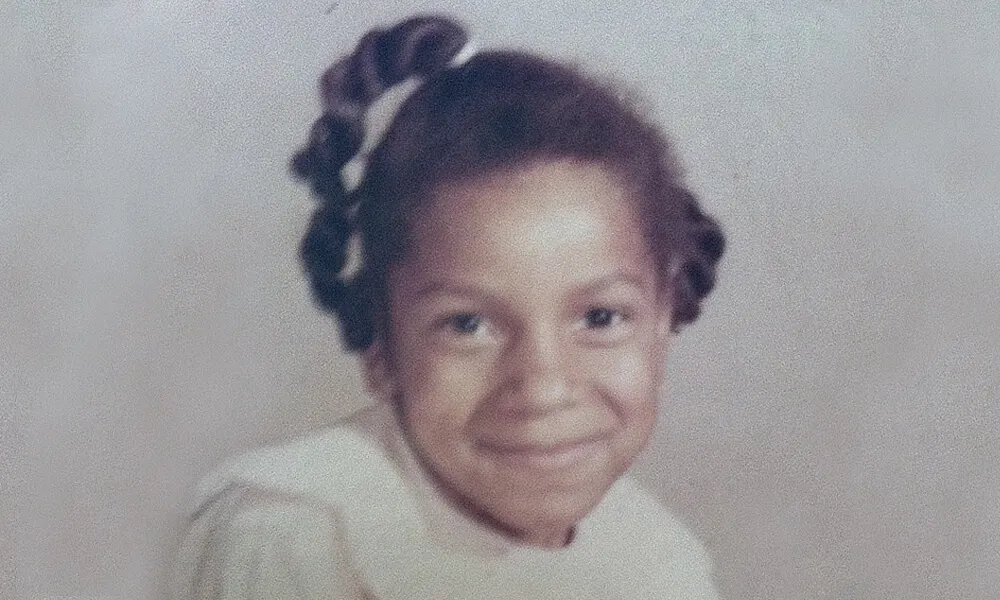 Photo: Trina Garnett, via eji.org
Science Versus Sentencing: What We Know About Young Brains
Four decades of neuroscience research have conclusively demonstrated that adolescent brains are fundamentally different from adult brains. The prefrontal cortex — responsible for impulse control, risk assessment, and long-term planning — doesn't fully mature until the mid-twenties. Areas governing emotional regulation and decision-making under stress remain underdeveloped throughout the teenage years.
This isn't speculation; it's established science recognized by the American Medical Association, the American Psychological Association, and virtually every major scientific organization. Yet our legal system continues to ignore these findings when it comes to the harshest possible sentences.
The Supreme Court has grudgingly acknowledged this reality in a series of landmark cases. In Roper v. Simmons (2005), the Court banned juvenile death sentences. Graham v. Florida (2010) prohibited life without parole for non-homicide offenses by juveniles. Miller v. Alabama (2012) required individualized sentencing for juvenile life cases, mandating that judges consider youth as a mitigating factor.
The Hollow Promise of Miller
But Miller's implementation has been a masterclass in legal foot-dragging and bad faith compliance. Many states simply created new "virtual life" sentences — terms of 50, 60, or 70 years that ensure children will still die in prison. Others conduct perfunctory hearings that rubber-stamp existing sentences while paying lip service to "individualized consideration."
Pennsylvania, which has more juveniles serving life without parole than any other state, initially resentenced most Miller-eligible youth to the same life terms. It took additional litigation and advocacy to force meaningful resentencing hearings. Even then, prosecutors routinely argue that any juvenile who committed a serious crime is inherently irredeemable — precisely the kind of categorical thinking Miller was supposed to prohibit.
The Human Cost of Giving Up on Children
Defenders of juvenile life sentences argue they're necessary for the "worst of the worst" crimes and provide closure for victims' families. This framing is both factually wrong and morally bankrupt.
First, many juvenile lifers were sentenced for crimes where they weren't the primary perpetrator. Under felony murder laws, teenagers have received life sentences for being present during robberies that turned deadly, even when they didn't pull the trigger or intend anyone to die. Others were victims of trafficking or abuse whose criminal behavior stemmed directly from their exploitation.
Second, the "closure through permanent punishment" narrative ignores the many victims' families who oppose juvenile life sentences. Murder Victims' Families for Reconciliation and similar organizations represent thousands of survivors who believe healing comes through accountability and rehabilitation, not warehousing children until they die.
Most fundamentally, these sentences represent a complete abandonment of the juvenile justice system's founding principle: that children are different, that they can change, and that society has an obligation to help them do so. When we sentence a 14-year-old to die in prison, we're not just punishing a crime — we're declaring that child unredeemable before they've had a chance to become an adult.
A Growing Movement for Real Reform
Across the country, advocates, formerly incarcerated youth, and even some prosecutors are pushing for meaningful change. Twenty-five states have banned or restricted juvenile life without parole sentences. California's SB 394, passed in 2021, made everyone sentenced as a juvenile eligible for parole after serving 25 years.
These reforms work. Studies consistently show that people who committed crimes as juveniles have extremely low recidivism rates when released as adults. The Campaign for the Fair Sentencing of Youth found that 96% of formerly incarcerated juvenile lifers who have been released remain crime-free.
The Path Forward: Abolishing Forever Sentences
Real justice requires ending juvenile life without parole entirely — not just reforming it around the edges. This means closing the loopholes that allow "virtual life" sentences, ensuring meaningful parole hearings after reasonable terms, and investing in the rehabilitation programs that actually reduce recidivism.
It also means confronting the racist assumptions that make these sentences possible. As long as we view Black and brown children as inherently more dangerous and less deserving of redemption, the juvenile justice system will continue to perpetuate the very inequalities it was supposedly designed to address.
The choice is clear: we can continue locking children away forever and calling it justice, or we can build a system that holds young people accountable while preserving their capacity for growth and change.
America's children deserve better than a justice system that gives up on them before they've had a chance to grow up.