The Nonprofit Hospital CEO Making $10 Million a Year Wants You to Know He Cares About the Community

The Millionaire Missionaries of Healthcare
When Dr. Marc Harrison stepped down as CEO of Intermountain Healthcare in 2022, his final compensation package topped $10.8 million. Harrison wasn't running a Wall Street investment firm or Silicon Valley unicorn—he was leading a nonprofit hospital system that claims tax exemptions worth hundreds of millions annually by virtue of its supposed charitable mission. His story isn't an outlier; it's the norm in an industry that has perfected the art of private enrichment through public subsidy.
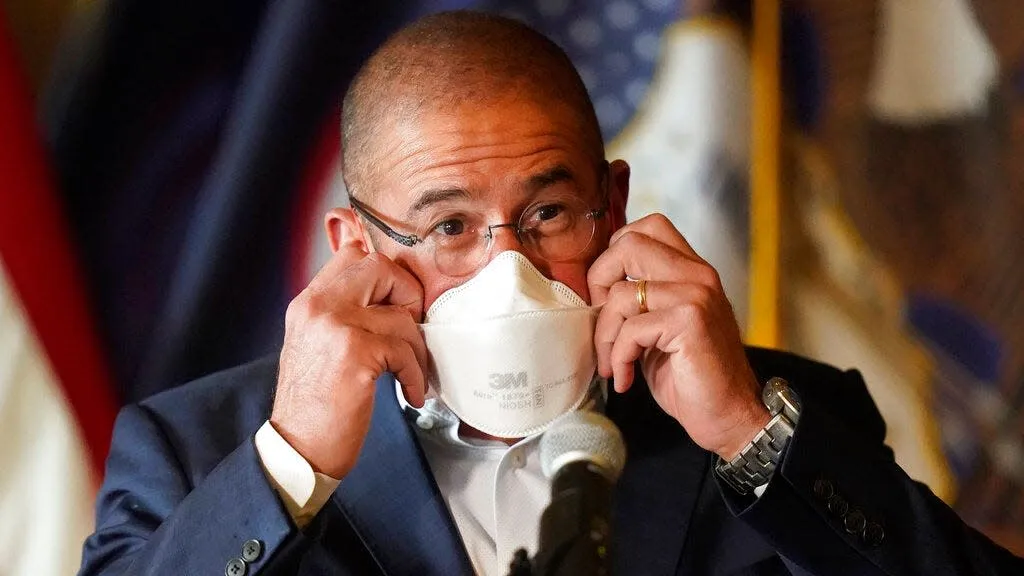 Photo: Dr. Marc Harrison, via s.yimg.com
Across America's largest nonprofit health systems, executive compensation has exploded into the stratosphere while the institutions they lead aggressively pursue tax-exempt status, shutter unprofitable rural facilities, and slash frontline staff. The cognitive dissonance is staggering: organizations claiming to exist solely for community benefit are paying their top executives more than the CEOs of many Fortune 500 companies.
The Tax-Exempt Gold Rush
The numbers tell a story of systematic exploitation. According to analysis of IRS Form 990 filings, the median compensation for CEOs at the largest nonprofit hospital systems now exceeds $3.5 million annually, with many reaching well into eight figures when including bonuses and deferred compensation. Meanwhile, these same institutions collectively avoid an estimated $28 billion in federal, state, and local taxes each year.
The legal framework enabling this wealth extraction dates back to a 1969 IRS ruling that requires nonprofit hospitals to provide "community benefit" equivalent to their tax exemption. But the definition of community benefit has been stretched beyond recognition. Hospitals can count charity care, community health programs, medical research, and even medical education as qualifying activities. More perniciously, they can include the full list price of charity care—not the actual cost—inflating their community benefit calculations with the same price-gouged figures that drive medical bankruptcies.
Take Providence, one of the nation's largest nonprofit health systems. In 2021, Providence reported $1.2 billion in community benefits while CEO Rod Hochman collected $10.9 million in total compensation. But investigative reporting revealed that Providence had been aggressively pursuing patients for medical debt, garnishing wages and placing liens on homes—hardly the behavior of a charitable organization.
 Photo: Rod Hochman, via 1.bp.blogspot.com
The Human Cost of Executive Excess
Critics argue that nonprofit hospitals deserve competitive executive pay to attract talent in a complex industry. But this logic collapses under scrutiny. These executives aren't competing in a free market—they're managing institutions subsidized by taxpayers and protected from competition by certificate-of-need laws and other regulatory barriers. Their "talent" often consists of financial engineering that maximizes revenue while minimizing actual care.
The real cost of this executive excess isn't just the inflated salaries—it's the opportunity cost of resources diverted from patient care. When Ascension CEO Joseph Impicciche earned $13.6 million in 2021, that single salary could have funded approximately 340 full-time nursing positions. Instead, Ascension hospitals across the country have faced chronic understaffing, with nurses reporting dangerous patient-to-nurse ratios.
Rural communities bear the heaviest burden. Nonprofit hospital systems frequently acquire struggling rural hospitals, extract what value they can, then close facilities when they become unprofitable. Since 2010, over 180 rural hospitals have closed, leaving entire regions without emergency care. The executives making these closure decisions suffer no personal consequences—their compensation packages remain intact while communities lose their lifeline to healthcare.
Gaming the System, Legally
The regulatory capture is complete. Hospital lobbyists have successfully fought off meaningful reforms to community benefit requirements, while the IRS lacks the resources and political will to seriously audit nonprofit hospital compliance. The American Hospital Association, the industry's primary lobbying arm, spent $23.8 million on federal lobbying in 2022 alone, ensuring that the definition of charitable purpose remains conveniently broad.
State attorneys general, who have legal authority to revoke nonprofit status for organizations that stray from their charitable mission, rarely exercise this power against hospital systems. The political pressure is enormous—hospitals are often among the largest employers in their communities, and executives don't hesitate to threaten job cuts when facing regulatory scrutiny.
Meanwhile, patients and frontline workers pay the price. Medical debt remains the leading cause of personal bankruptcy in America, with many cases involving bills from nonprofit hospitals that simultaneously claim charitable status. Emergency room nurses at "nonprofit" systems report being written up for providing too much charity care, while billing departments are incentivized to maximize collections regardless of patient hardship.
The Path Forward
Real reform would start with transparency and accountability. Congress should require nonprofit hospitals to publicly report executive compensation alongside detailed community benefit calculations, using actual costs rather than inflated list prices. The IRS should establish minimum thresholds for community benefit as a percentage of total revenue, with meaningful penalties for non-compliance.
More fundamentally, we need to question whether the nonprofit hospital model serves any purpose beyond tax avoidance. In many markets, nonprofit systems operate identically to their for-profit competitors, pursuing the same aggressive billing practices and market consolidation strategies. If these institutions want to function as profit-maximizing enterprises, they should pay taxes like any other business.
The current system represents a massive transfer of wealth from working families to healthcare executives, subsidized by taxpayers and blessed by regulators who have forgotten their duty to the public interest. When hospital CEOs earn more in a year than most Americans will see in a lifetime while claiming charitable status, the concept of community benefit becomes a cruel joke—one that's no longer funny to the patients drowning in medical debt or the communities losing their hospitals to private equity dressed up as charity.