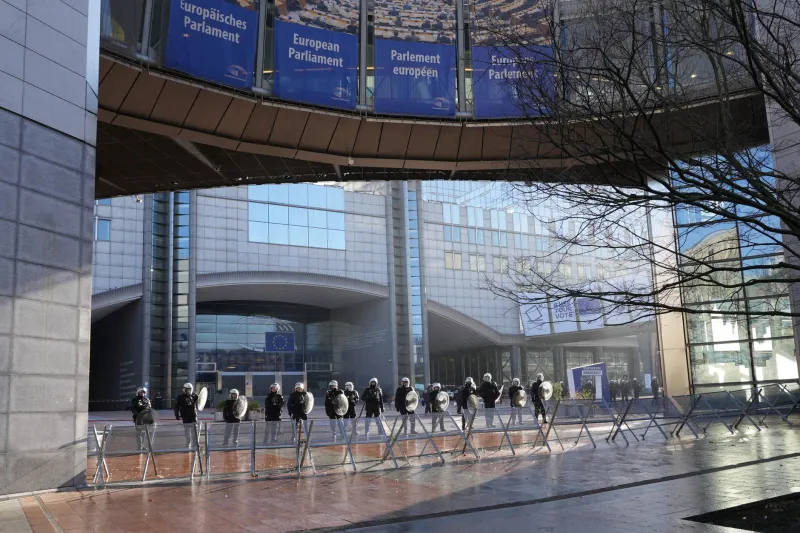
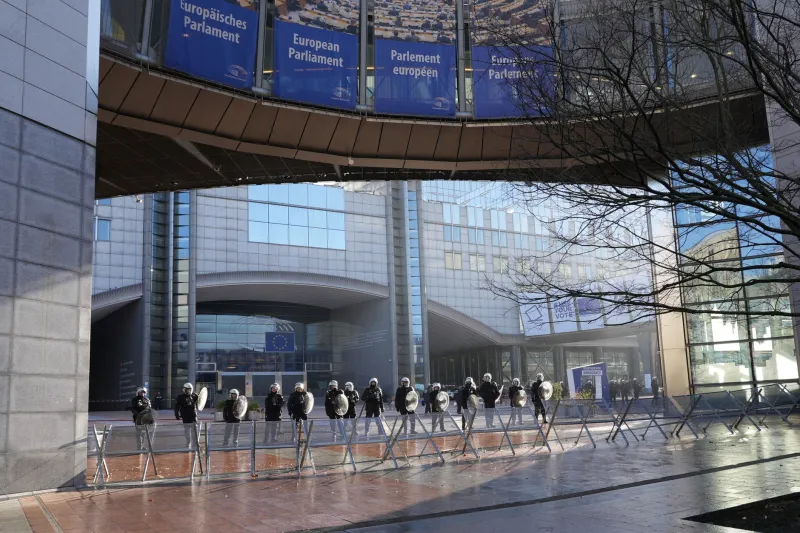
Armed Guards in Algebra Class: How America Chose Cops Over Counselors in Schools — and Made Students Less Safe
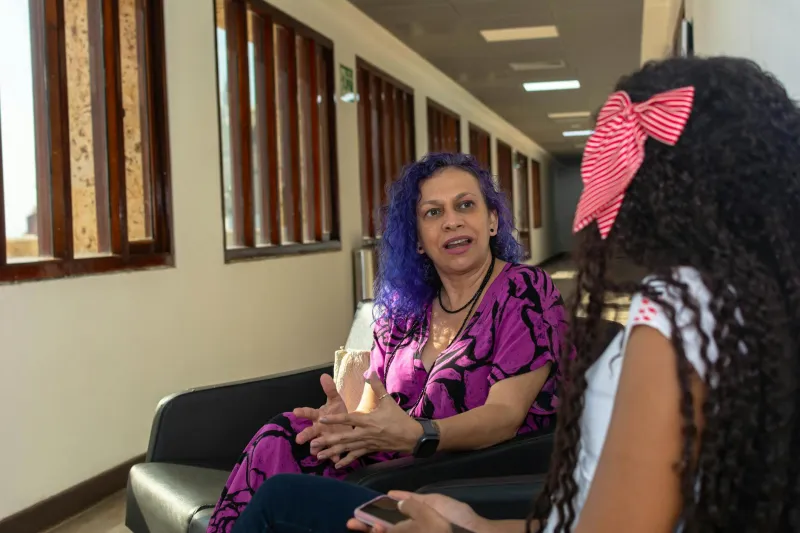
Across America's public schools, there are more police officers than social workers, more surveillance cameras than guidance counselors, and more zero-tolerance policies than conflict resolution programs. This isn't the result of evidence-based safety planning — it's the product of decades of federal funding that treats students like potential criminals rather than developing human beings who need support, not handcuffs.
The numbers are staggering: according to the National Association of Secondary School Principals, American schools employ approximately 43,000 school resource officers but only 14,000 social workers. Meanwhile, the student-to-counselor ratio sits at 408-to-1, nearly double the recommended standard. This staffing imbalance isn't accidental — it's the direct result of federal and state funding streams that prioritize punishment over prevention.
The Funding Pipeline to Punishment
Since the 1990s, federal programs like the Community Oriented Policing Services (COPS) grants have funneled over $1 billion into placing police officers in schools. The Department of Justice's Student Support and Academic Enrichment grants, theoretically meant for comprehensive school improvement, can be used to hire security personnel but face restrictions when districts try to use the same funds for mental health support.
This funding structure creates perverse incentives: it's easier for cash-strapped districts to get federal money for a school resource officer than for a social worker, easier to buy metal detectors than to fund conflict mediation programs. The result is a generation of students who learn that safety comes from surveillance and punishment rather than community and care.
The human cost of this approach falls disproportionately on students of color and students with disabilities. According to the U.S. Department of Education's Civil Rights Data Collection, Black students are 3.8 times more likely to be suspended or expelled than white students, while students with disabilities represent 12% of enrollment but 28% of arrests. The presence of police in schools doesn't reduce these disparities — it amplifies them by turning disciplinary issues into criminal matters.
What Actually Makes Schools Safe
The evidence on school safety tells a different story than the one driving federal funding. A 2021 study by the Brookings Institution found that schools with more counselors and social workers had lower rates of suspension, expulsion, and chronic absenteeism. Meanwhile, research consistently shows that the presence of school resource officers increases student arrest rates without improving school climate or reducing serious violence.
Consider the contrast between two approaches to school safety. In Broward County, Florida, after the Parkland shooting, the district initially doubled down on security measures, adding more officers and surveillance equipment. But when those measures failed to improve school climate — and actually increased student arrests — the district pivoted toward restorative justice practices and increased mental health support. The result: a 50% reduction in student arrests and improved academic outcomes.
Meanwhile, in Oakland, California, the school district voted in 2020 to eliminate its police force entirely and redirect those funds toward student support services. The $2.5 million previously spent on school police now funds counselors, restorative justice coordinators, and mental health clinicians. Early data shows improved school climate and reduced suspensions, with no increase in serious safety incidents.
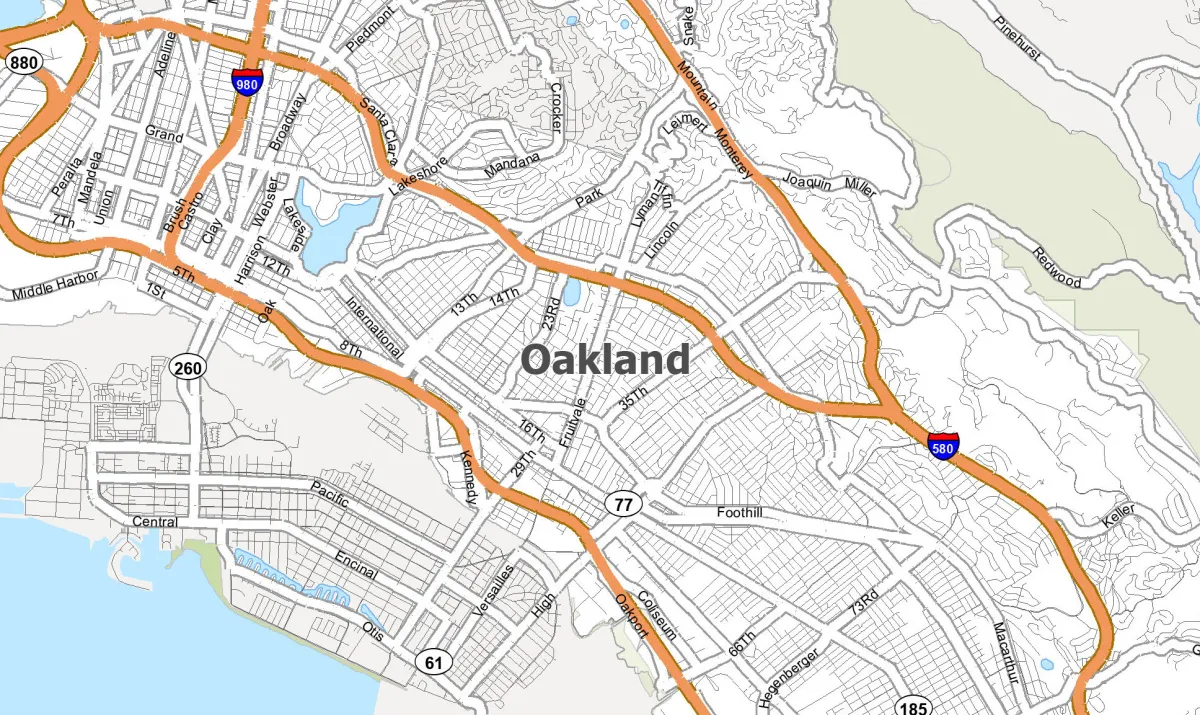 Photo: Oakland, California, via gisgeography.com
The School-to-Prison Pipeline by Design
Critics of police-free schools often argue that removing officers leaves schools vulnerable to violence. But this argument ignores both the statistical reality of school safety — schools are among the safest places for children — and the documented harms of criminalizing student behavior.
The school-to-prison pipeline isn't a bug in the current system; it's a feature. Zero-tolerance policies, originally designed for weapons and drugs, now routinely result in suspensions and arrests for subjective offenses like "disrespect" or "defiance." A 2019 analysis by the ACLU found that 290,000 students were referred to law enforcement or arrested at school during the 2015-16 school year, often for non-violent infractions that previous generations would have handled with detention or parent conferences.
This criminalization of childhood has long-term consequences that extend far beyond the schoolyard. Students who are suspended or expelled are twice as likely to drop out of high school and three times more likely to be involved in the juvenile justice system within a year. For many students, especially those already marginalized by poverty or discrimination, a school-based arrest becomes the first step in a lifetime of criminal justice involvement.
The Care Infrastructure Alternative
Reimagining school safety requires more than just removing police officers — it requires building the care infrastructure that students actually need. This means hiring trauma-informed counselors who understand that behavioral problems often stem from unmet needs, not moral failings. It means training teachers in de-escalation techniques and conflict resolution rather than relying on security guards to handle classroom disruptions.
The COVID-19 pandemic revealed both the depth of student mental health needs and the potential for schools to respond with care rather than control. Districts that invested in social workers, counselors, and community partnerships saw better outcomes than those that doubled down on security measures. Students struggling with anxiety, depression, and trauma need therapeutic intervention, not criminal prosecution.
Federal Policy at a Crossroads
The Biden administration has taken some steps toward rebalancing school safety funding, proposing increases for mental health support and school counselors while maintaining existing security funding. But real change requires acknowledging that the current funding structure actively undermines student wellbeing by prioritizing punishment over prevention.
Congress could immediately redirect existing COPS grant funding toward hiring counselors, social workers, and restorative justice coordinators. The Every Student Succeeds Act could be amended to require states to demonstrate that their discipline policies reduce rather than exacerbate racial and disability disparities. Federal civil rights enforcement could hold districts accountable for creating hostile learning environments through excessive policing.
A Choice About Values
Ultimately, the question of police in schools isn't really about safety — it's about what kind of society we want to build and what values we want to teach children. Do we want students to learn that problems are solved through force and exclusion, or through dialogue and support? Do we want to prepare young people for a democratic society based on mutual aid and collective responsibility, or for an authoritarian one based on surveillance and punishment?
The current trajectory is clear: more police, more surveillance, more criminalization of normal childhood behavior. But a growing movement of students, parents, and educators is demanding something different — schools that prioritize healing over handcuffs, counselors over cops, and care over control.
The choice is ours, but we must make it consciously: every dollar spent on school police is a dollar not spent on the counselors, social workers, and support systems that actually make schools safe for learning and growth.